AnalyticsMarch 22, 2026
Decoding Predictive Analytics: Transforming Data into Future Insights
Explore how predictive analytics is transforming data into actionable insights, driving strategic decision-making in businesses.
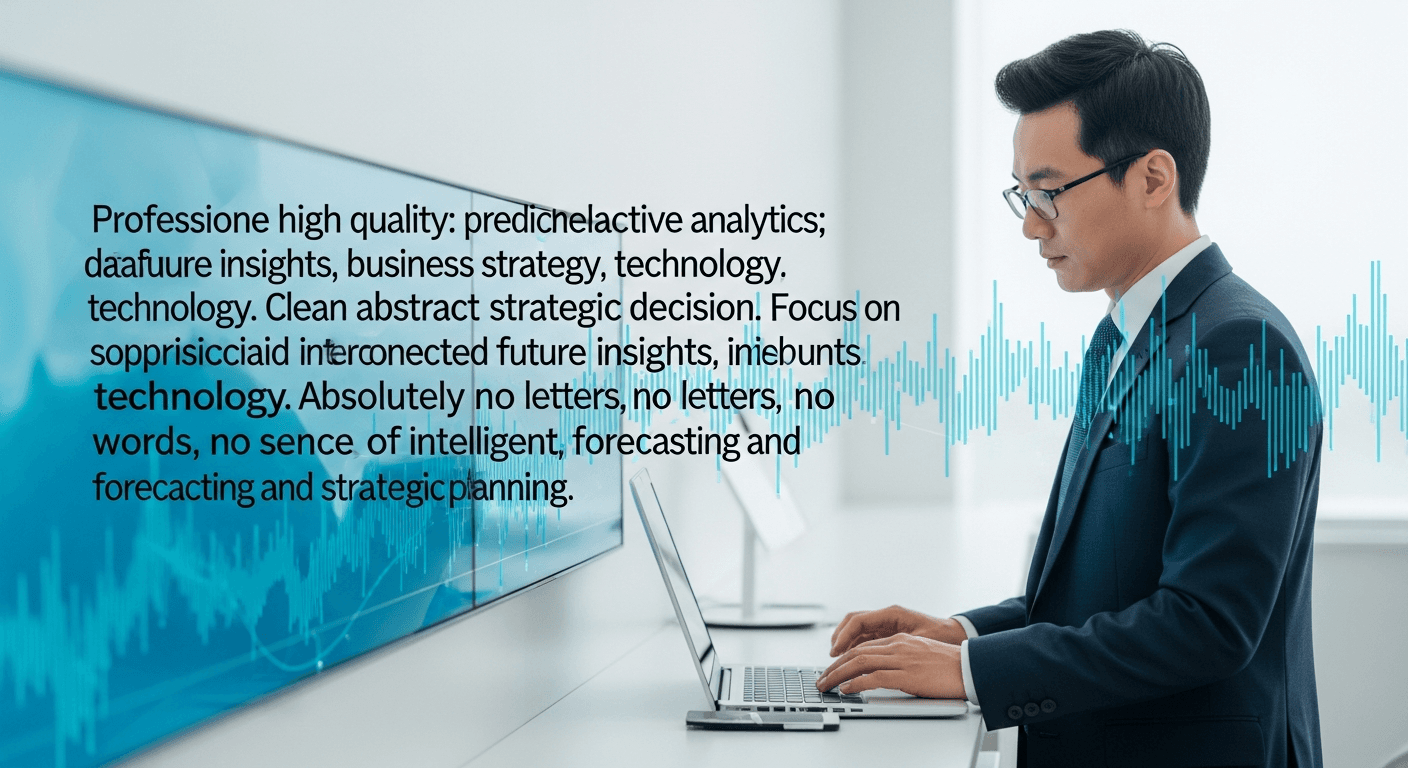
Introduction to Predictive Analytics
Predictive analytics is a sophisticated branch of data analytics that focuses on forecasting future outcomes by analyzing historical data. It employs a mix of statistical techniques, data mining, machine learning, and artificial intelligence to predict future events with a significant degree of accuracy. The importance of predictive analytics cannot be overstated as it empowers organizations to make proactive decisions, anticipate market trends, and optimize business operations.
The surge in data generation, driven by the digital transformation and the proliferation of IoT devices, has made predictive analytics more relevant than ever. Organizations are inundated with data, ranging from customer interactions and social media activities to transactional and operational data, all of which can be harnessed to derive meaningful insights. By transforming raw data into actionable insights, predictive analytics provides a strategic advantage in today's data-driven world.
In essence, predictive analytics not only helps in understanding what has happened and why, but it also provides insights into what is likely to happen next. This capability is invaluable across sectors, whether it's predicting customer behavior, optimizing supply chain logistics, or anticipating equipment failures. As businesses strive to become more agile and competitive, the adoption of predictive analytics is set to grow exponentially.

How Predictive Analytics Works
The process of predictive analytics begins with data collection. This involves gathering data from various sources such as transactional databases, CRM systems, social media platforms, and even sensor data from IoT devices. Ensuring the data's quality is critical, as the accuracy of predictions heavily depends on it. Data cleaning and preparation follow, where data is scrubbed for errors, inconsistencies, and missing values, making it suitable for analysis.
Subsequently, analysts build predictive models using machine learning algorithms. Popular algorithms include decision trees, random forests, neural networks, and regression models. These models learn from historical data to identify patterns and relationships. For instance, a retail business might use regression models to predict future sales based on past sales data, marketing spend, and economic indicators.
Once built, these models undergo rigorous testing and validation to ensure they provide reliable predictions. This involves splitting data into training and testing datasets to evaluate the model's performance. Continuous monitoring and refinement are essential as new data becomes available, ensuring the models adapt to changing conditions and remain relevant.
- Data Collection: Gathering data from various sources.
- Data Preparation: Cleaning and organizing data for analysis.
- Model Building: Using algorithms to create predictive models.
- Model Validation: Testing models to ensure accuracy.

Applications in Various Industries
Predictive analytics is revolutionizing industries by enabling data-driven decision-making. In healthcare, it is used to predict patient outcomes, identify at-risk patients, and optimize treatment plans. Hospitals can predict patient admission rates, helping them manage resources more effectively and reduce wait times. Predictive models also play a crucial role in personalized medicine by forecasting how patients will respond to specific treatments.
In the financial sector, predictive analytics aids in fraud detection, credit scoring, and risk management. Banks and financial institutions use predictive models to identify fraudulent activities by flagging unusual transactions and patterns. Credit scoring models predict the likelihood of a borrower defaulting on a loan, helping lenders make informed lending decisions. Moreover, predictive analytics is instrumental in managing investment portfolios by forecasting market trends and assessing risks.
Retail businesses leverage predictive analytics to enhance customer experience and optimize inventory. By analyzing customer purchase history and preferences, retailers can personalize marketing campaigns, recommend products, and improve customer retention. Predictive models also forecast demand for products, enabling retailers to manage inventory efficiently and reduce stockouts or overstock situations.
Predictive analytics is essential for staying ahead of the competition, enabling businesses to anticipate customer needs and respond swiftly to market changes.
Benefits and Challenges
The advantages of predictive analytics are manifold. It enhances decision-making by providing data-driven insights that are grounded in historical data and statistical analysis. This leads to improved operational efficiency, as organizations can anticipate and mitigate potential risks before they materialize. Predictive analytics also opens up new revenue streams by identifying opportunities for growth and innovation.
However, the implementation of predictive analytics is not without challenges. Data quality remains a significant hurdle, as the accuracy of predictions is contingent upon the quality of input data. Organizations must invest in robust data governance frameworks to ensure data integrity and accuracy. Additionally, integrating predictive analytics into existing business processes can be complex, requiring buy-in from stakeholders and a shift in organizational culture towards data-driven decision-making.
Another challenge is the need for skilled personnel who can interpret and apply predictive models effectively. As the demand for data scientists and analysts grows, organizations must invest in talent development and training. Furthermore, ensuring the privacy and security of data is paramount, as predictive analytics often involves sensitive information that must be protected from breaches and misuse.
- Improved Decision Making: Data-driven insights enhance strategic planning.
- Operational Efficiency: Anticipate and address potential issues proactively.
- Risk Reduction: Identify and mitigate risks before they occur.
- Data Quality Challenges: Ensure high-quality data for accurate predictions.
- Integration and Talent: Need for skilled personnel and cultural adaptation.
Future Trends in Predictive Analytics
The future of predictive analytics is promising, with several trends set to shape its evolution. The integration of artificial intelligence and machine learning will enhance the accuracy and efficiency of predictive models, enabling real-time predictions and insights. As algorithms become more sophisticated, they will be able to process larger datasets and uncover deeper insights.
Cloud computing is democratizing access to predictive analytics, making it more accessible to small and medium-sized enterprises (SMEs) that may not have the resources for extensive in-house data analytics capabilities. Cloud-based analytics platforms offer scalable solutions that can be tailored to meet diverse business needs, allowing organizations of all sizes to leverage data-driven insights.
Furthermore, the rise of edge computing and the Internet of Things (IoT) will generate even more data points for analysis, offering unprecedented opportunities for predictive analytics. This will lead to the development of more granular and personalized insights, further enhancing the ability to predict and influence future outcomes. As these technologies evolve, predictive analytics will become an indispensable tool for businesses aiming to remain competitive in a rapidly changing landscape.
Predictive analytics is not just about predicting the future; it's about shaping it by making informed decisions today.