E-commerceMay 24, 2026
Harnessing Data-Driven SEO Insights for E-commerce Growth in 2024
Discover how data-driven insights are revolutionizing SEO strategies in e-commerce, driving traffic and boosting sales. Stay ahead in 2024 by integrating intelligence into your digital marketing approach.

The Evolution of Data-Driven SEO in E-commerce
Over the past decade, e-commerce has seen a dramatic shift towards data-driven SEO strategies. Initially focused on keyword stuffing and backlinks, SEO has evolved to prioritize user experience, engagement metrics, and semantic search. This evolution has been particularly significant for e-commerce platforms, where competition is fierce and visibility is key to success. The integration of big data analytics has allowed businesses to refine their strategies, providing insights that go beyond traditional keyword analysis.
Data-driven SEO requires a comprehensive understanding of user behavior, search intent, and algorithmic changes. By harnessing data, businesses can create targeted content that not only attracts visitors but also converts them into customers. With advancements in machine learning and AI, the ability to predict trends and optimize strategies has become more accessible, paving the way for more sophisticated SEO implementations.
In recent years, the focus has shifted from simply ranking high in search engines to creating a holistic online presence that resonates with the target audience. This means leveraging data to understand customer journeys, optimize conversions, and ultimately drive e-commerce growth.
Key Metrics for E-commerce SEO Success
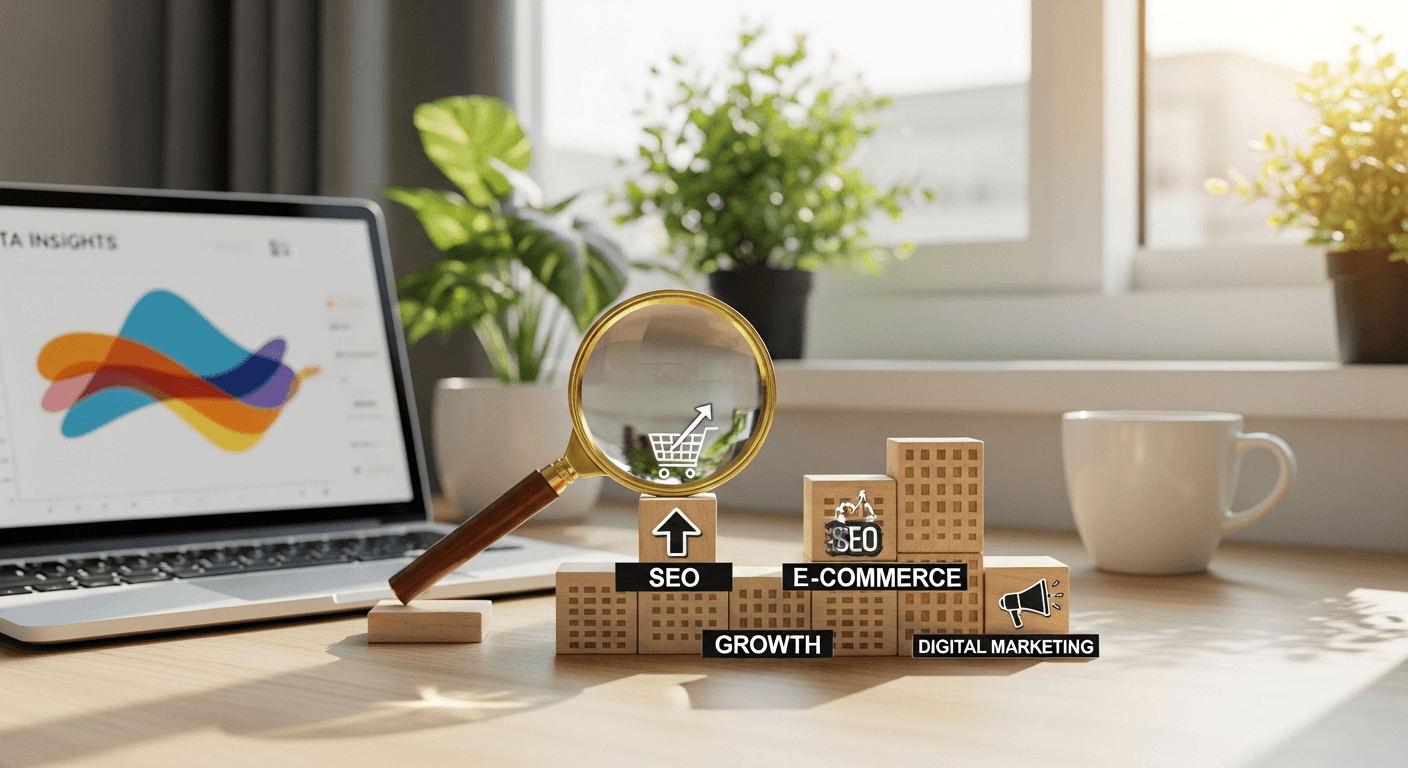
To effectively leverage data-driven SEO, e-commerce businesses must focus on key performance metrics that provide actionable insights. These metrics are critical in understanding the effectiveness of SEO strategies and identifying areas for improvement. Some of the most important metrics include organic traffic, conversion rates, bounce rates, and average session duration. Each of these provides a different perspective on how users interact with your site and how well it meets their needs.
- Organic Traffic: Reflects the number of visitors arriving at your site through search engines.
- Conversion Rates: Measures how many visitors are completing desired actions, like making a purchase.
- Bounce Rate: Indicates the percentage of visitors who leave after viewing only one page.
Additionally, tracking keyword rankings and page load times can offer insights into technical SEO performance. Understanding these metrics helps in crafting strategies that not only improve search visibility but also enhance user experience, leading to higher sales and customer retention.
Integrating AI and Analytics for Enhanced SEO
Artificial intelligence has become an integral part of modern SEO strategies, particularly in the e-commerce sector. AI tools can analyze vast amounts of data quickly, identify patterns, and provide actionable insights that might be missed by human analysts. By integrating AI with analytics, businesses can automate routine tasks, such as keyword analysis and competitor monitoring, allowing SEO professionals to focus on strategic decisions.
AI's predictive capabilities can also be leveraged to anticipate market trends and consumer behavior, enabling businesses to stay ahead of the competition. This proactive approach can lead to more personalized marketing efforts and better alignment of products with customer expectations.
Tip: Use AI-powered tools to automate and refine your SEO processes, focusing on strategic insights rather than routine tasks.
Moreover, machine learning algorithms can continuously refine SEO strategies by learning from user interactions and search engine updates. This makes SEO efforts more resilient to algorithm changes and more aligned with long-term business goals.
Case Studies: Successful Data-Driven SEO Implementations
Several e-commerce brands have successfully harnessed data-driven SEO to achieve remarkable growth. One notable example is a leading online fashion retailer that utilized AI to analyze customer preferences and optimize their product listings accordingly. By focusing on data insights, they were able to increase their organic traffic by 30% and boost their conversion rates significantly.
- Case Study 1: A fashion retailer used AI for customer insights, leading to a 30% increase in organic traffic.
- Case Study 2: An electronics store optimized its content based on search intent data, resulting in a 25% rise in sales.
- Case Study 3: A home goods brand improved its technical SEO, reducing bounce rates by 15%.
Another example is an electronics e-commerce site that focused on understanding search intent. By tailoring content to meet the specific needs of their audience, they experienced a 25% increase in sales over six months. These cases highlight the importance of using data to inform decision-making and drive tangible business results.
Future Trends: Preparing for Data-Enhanced SEO in 2024
As we look towards 2024, the landscape of data-driven SEO continues to evolve. Emerging trends suggest a greater emphasis on personalization, voice search optimization, and the use of augmented reality in search results. E-commerce businesses must prepare to adapt to these changes by investing in technologies that enhance data collection and analysis.
The growing importance of mobile SEO and the integration of social media data into search strategies are also critical considerations for future success. As consumer behavior shifts towards more mobile and socially integrated experiences, businesses must ensure their SEO strategies are aligned with these trends.
Note: Start incorporating voice search optimization into your SEO strategy to stay ahead in 2024.
Furthermore, businesses should anticipate increased reliance on AI for deeper insights and more precise targeting. By staying informed about technological advancements and continuously refining their strategies, e-commerce companies can leverage data-driven SEO to maintain a competitive edge.
The future of SEO lies in the seamless integration of data analytics and AI to create personalized, engaging user experiences.