Social MediaMarch 22, 2026
Harnessing the Power of Micro-Influencers on Social Media in 2024
Explore how micro-influencers are reshaping social media marketing strategies in 2024, offering brands increased engagement and authenticity.
Understanding the Rise of Micro-Influencers
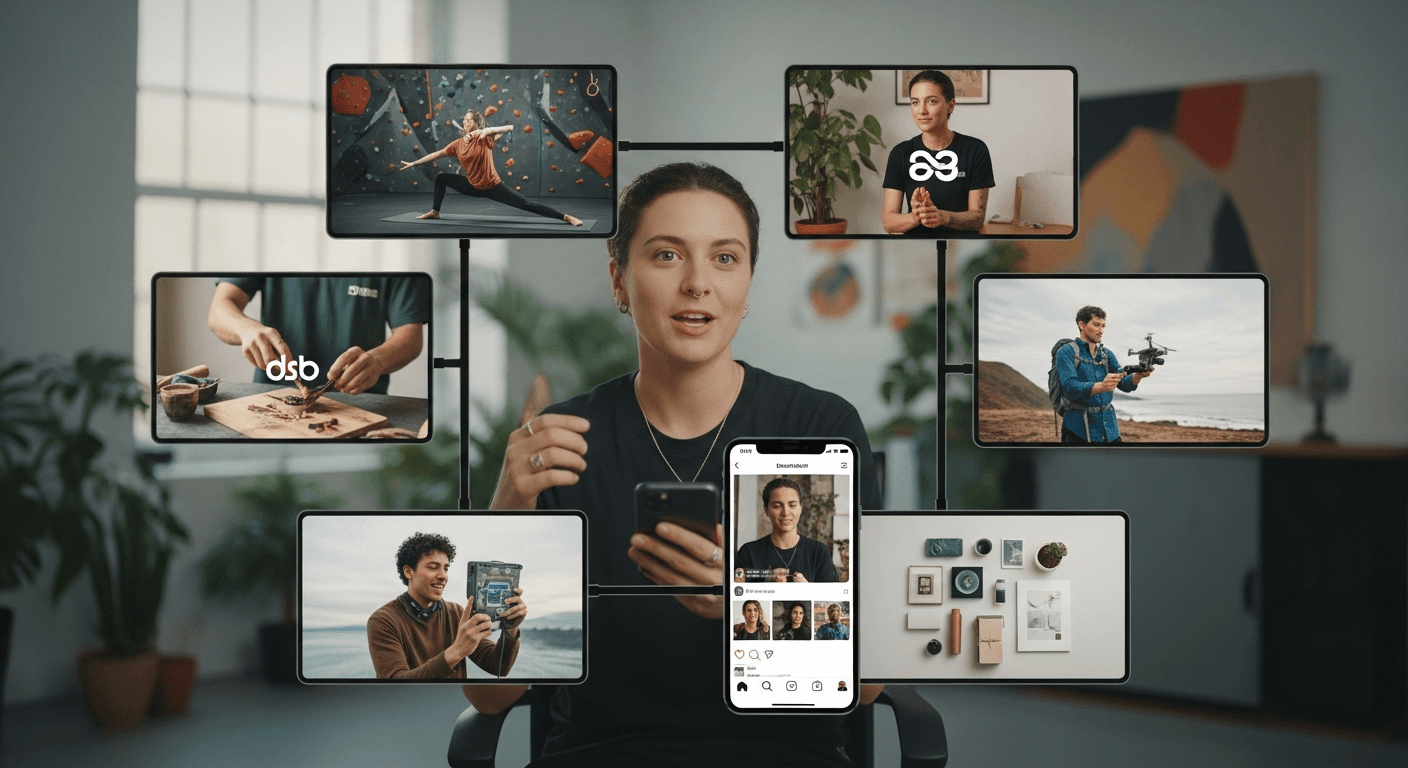
In recent years, the landscape of influencer marketing has shifted significantly. Where once mega-influencers with millions of followers dominated the scene, brands are now turning their attention to micro-influencers—those who have between 1,000 to 100,000 followers. This transition is driven by the need for authenticity and genuine engagement, something that micro-influencers can offer in abundance.
Micro-influencers typically focus on niche markets, allowing them to cultivate a highly engaged community. Their followers often perceive them as more relatable and trustworthy compared to larger influencers. This personal connection fosters higher engagement rates, which can be more beneficial for brands looking to create meaningful connections with their audience. For instance, a beauty brand might collaborate with a micro-influencer known for her expertise in organic skincare, thereby reaching an audience that is specifically interested in natural beauty products.
As we move into 2024, the role of micro-influencers in marketing strategies is expected to expand even further. Brands are recognizing the value of authentic relationships and are increasingly investing in micro-influencer collaborations to enhance their marketing efforts. The rise of platforms like TikTok and Instagram Reels has further fueled this growth, allowing micro-influencers to showcase their creativity and connect with audiences in innovative ways.

Benefits of Collaborating with Micro-Influencers
Collaborating with micro-influencers offers several advantages that can significantly impact a brand's marketing strategy. Firstly, their highly engaged audiences mean that marketing campaigns often achieve greater reach and resonance. Furthermore, micro-influencers often have lower costs compared to their larger counterparts, making them a cost-effective option for brands with smaller budgets. A small local restaurant, for example, could partner with a food blogger who has a dedicated local following, thereby reaching potential customers in their immediate vicinity.
- Higher engagement rates due to niche focus
- Cost-effective collaborations
- Enhanced brand authenticity and trust
Additionally, micro-influencers tend to have more creative freedom when collaborating with brands, resulting in content that feels organic and less like traditional advertising. This creativity often leads to innovative marketing campaigns that capture audience attention and drive better results. For instance, a fitness apparel brand might work with a fitness enthusiast who creates workout videos, seamlessly integrating the brand's products into their routine.
Tip: Consider micro-influencers for niche marketing to tap into highly specific audiences.

Strategies for Identifying the Right Micro-Influencers
Identifying the right micro-influencers for your brand is crucial to the success of your marketing campaigns. The process begins with understanding your brand's target audience and identifying influencers whose followers align with this demographic. Using social media analytics tools can help in pinpointing influencers who have a significant impact on your audience. Tools such as BuzzSumo and HypeAuditor provide insights into influencer demographics, engagement rates, and content performance.
It's also important to evaluate the content quality and engagement rates of potential influencers. Look for those who consistently produce high-quality content and maintain genuine interactions with their followers. This ensures that any collaboration will likely lead to fruitful results. For example, a fashion brand should look for influencers who not only showcase their style but also engage with their followers through fashion advice and interactive content.
- Analyze audience overlap
- Evaluate content quality
- Review engagement metrics
Lastly, consider the influencer's authenticity and alignment with your brand values. An influencer who genuinely loves and uses your products can become a powerful advocate, creating more authentic and persuasive content. Conduct informal interviews or surveys with potential influencers to gauge their interest and familiarity with your brand. This step helps ensure that the influencer's personal brand and values align with your own, creating a seamless partnership.
Creating Authentic Engagement Through Micro-Influencers
Authenticity is the cornerstone of successful influencer marketing. Micro-influencers excel at this due to their personal approach and strong community connections. To foster authentic engagement, brands should encourage influencers to share personal stories and experiences related to their products. For example, a travel brand could collaborate with influencers to document their personal travel experiences, highlighting how the brand's services enhanced their journey.
Co-creating content with influencers can also enhance authenticity. When influencers are involved in the creative process, they are more likely to produce content that resonates with their audience and reflects their unique voice. Host brainstorming sessions with influencers to develop content ideas that align with both the brand's goals and the influencer's style.
Note: Keep the influencer's voice and style intact to maintain authenticity.
Moreover, engaging with the audience through comments and discussions initiated by the influencer can strengthen the relationship between the brand and potential customers, leading to increased brand loyalty. Encourage influencers to host live Q&A sessions or interactive polls to foster community interaction and provide valuable feedback about your brand.
Measuring Success and ROI in Micro-Influencer Campaigns
Measuring the success of micro-influencer campaigns involves tracking key performance indicators such as engagement rates, reach, and conversion metrics. Tools like Google Analytics and social media insights can provide valuable data to assess the effectiveness of influencer collaborations. Brands should set up specific UTM parameters and trackable links to monitor traffic and conversions generated from influencer posts.
It's crucial to establish clear goals and objectives before launching any campaign. Whether the aim is to increase brand awareness, drive sales, or boost engagement, having defined targets helps in evaluating the campaign's ROI. For instance, if the objective is to drive sales, track metrics such as click-through rates, conversion rates, and revenue generated from influencer-driven campaigns.
The key to measuring influencer campaign success lies in setting clear, measurable goals from the outset.
Brands should also consider qualitative metrics such as brand sentiment and audience feedback, which can provide deeper insights into the campaign's impact beyond numbers. Conduct post-campaign surveys to gather insights on customer perceptions and satisfaction, helping refine future influencer strategies.